JETRAY / Battery engineering & sourcingShenzhen, Chinasale1@jetray.cn ↗
JETRAYGolf Cart Battery ProjectsBlog
01

Vehicle compatibility

Identify the vehicle system

02

Tray & mounting fit

Measure the installation space

03

Charger review

Review the whole conversion

01 / The collection

Start with the right product reference.

Catalogue data is a starting point. Confirm the current model specification and application requirements before design-in.

View all specifications
02 / Engineering perspective

A specification built around the work.

Golf Cart Battery Projects selection starts with the equipment. Use electrical, mechanical and operating requirements to create a clearer supplier conversation.

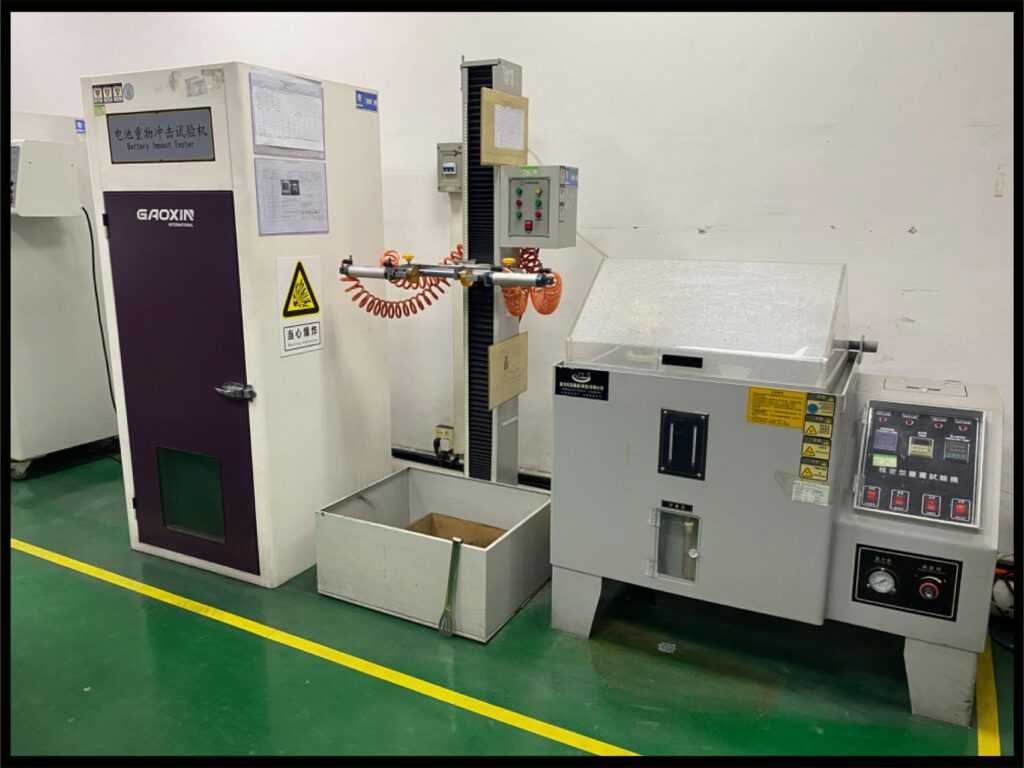
Production workspace shown on the Jetray factory website

Photography from Jetray’s published factory page.

Identify the vehicle system

Share vehicle make and model, controller limits, motor information and the existing battery configuration.

Measure the installation space

Confirm battery tray dimensions, mounting points, service access and cable routing.

Review the whole conversion

The charger, accessories and protection coordination must be checked along with the battery. Use a qualified installer.

03 / Application planning

See the system around the battery.

Each application needs its own integration review. A similar voltage or physical format does not establish compatibility.

01

Golf-cart conversions

Collect vehicle, controller and existing charger information before selecting a battery system.

Review requirements
02

Fleet replacement planning

Compare charging workflow, daily route demand and service requirements across the fleet.

Review requirements
03

Auxiliary vehicle power

Review accessory loads, DC-DC conversion and the mechanical integration with the installer.

Review requirements
APPLICATION CASE FILES / VEHICLE RETROFIT PLANNING

See the decisions behind an application.

Explore practical planning briefs for golf cart battery projects: the operating challenge, integration approach and sample-review questions.

These are application planning examples, not documented customer deployments. Factory photographs are from the Jetray corporate website and do not identify a customer project.

04 / Blog & technical insights

Useful answers for better decisions.

Practical guidance for engineers and purchasing teams, with sources for further review.

05 / Questions, answered

Before you specify.

Keep the important decisions visible.

Will any 36V or 48V battery fit a golf cart?

No. Voltage-family labels are only a starting point. Confirm controller compatibility, current demand, charger behavior and the mechanical installation.

Can I retain the old lead-acid charger?

Only if its charging behavior is explicitly compatible with the selected lithium battery and approved by the supplier. Do not assume compatibility.

What determines driving range?

Vehicle mass, terrain, speed, tire condition, accessory demand and usable battery energy all influence range. Verify it under representative conditions.

Can I keep my old charger after a golf cart lithium conversion?

Only retain a charger when its behavior is explicitly compatible with the selected lithium battery and approved by the responsible supplier or installer. Do not assume a lead-acid charging profile is suitable.

What vehicle details are needed for a golf cart battery quote?

Provide the cart and controller model, motor demand, existing battery arrangement, charger, tray drawing, accessory loads and daily use. Ask for a vehicle-specific configuration review.

How should a fleet compare golf cart battery range claims?

Compare vehicle, payload, route, speed, terrain, environment and accessories under matching conditions. Battery capacity alone cannot establish a guaranteed driving range.

A useful conversation starts with a specification

Tell us what your equipment needs.

Share the load, dimensions and intended use. Ask for a current model specification and a project review.

Discuss your project

Product comparison